In the fast-paced rhythm of modern life, anxiety often feels like an unwelcome companion—subtle at times, overwhelming at others. While it’s a natural response to stress, finding effective ways to ease this persistent tension can transform daily existence from a struggle into a serene journey. This article explores some of the best relaxation techniques for managing anxiety, offering practical methods to reclaim calm and create moments of peace amid the chaos. Whether seeking quick relief or long-term balance, these approaches invite you to pause, breathe, and reconnect with a quieter state of mind.
Table of Contents
- Understanding Anxiety and Its Physical Impact
- The Power of Mindful Breathing for Instant Calm
- Exploring Progressive Muscle Relaxation for Tension Relief
- Incorporating Guided Imagery into Your Daily Routine
- The Role of Aromatherapy in Enhancing Relaxation
- Creating a Personalized Relaxation Plan That Works for You
- Q&A
- To Conclude

Understanding Anxiety and Its Physical Impact
Anxiety is more than just a fleeting sense of worry; it triggers a cascade of physical reactions that can significantly affect everyday life. When the mind perceives danger, the body responds by releasing stress hormones like cortisol and adrenaline, preparing for a “fight or flight” response. This intensifies heart rate, tenses muscles, and quickens breathing — sensations that can be overwhelming and exhausting when persistent. Recognizing these bodily cues is essential, as they often signal underlying anxiety even before the mind fully acknowledges it.
The physical toll of anxiety can manifest in diverse ways, including headaches, digestive issues, or fatigue, often creating a challenging cycle to break. Here’s a quick overview of common symptoms and their triggers:
| Physical Symptom | Potential Trigger |
|---|---|
| Increased Heart Rate | Sensory overload or stressful thoughts |
| Muscle Tension | Prolonged stress or emotional strain |
| Shallow Breathing | Panic or acute worry episodes |
| Digestive Issues | Chronic anxiety affecting the gut-brain connection |
- Awareness: Understanding these symptoms helps in early identification and proactive management.
- Mind-Body Connection: Physical sensations are not disconnected from the emotional experience but deeply intertwined.
- Precision in Response: Targeting both mental and physical symptoms offers a more holistic approach to easing anxiety.
The Power of Mindful Breathing for Instant Calm
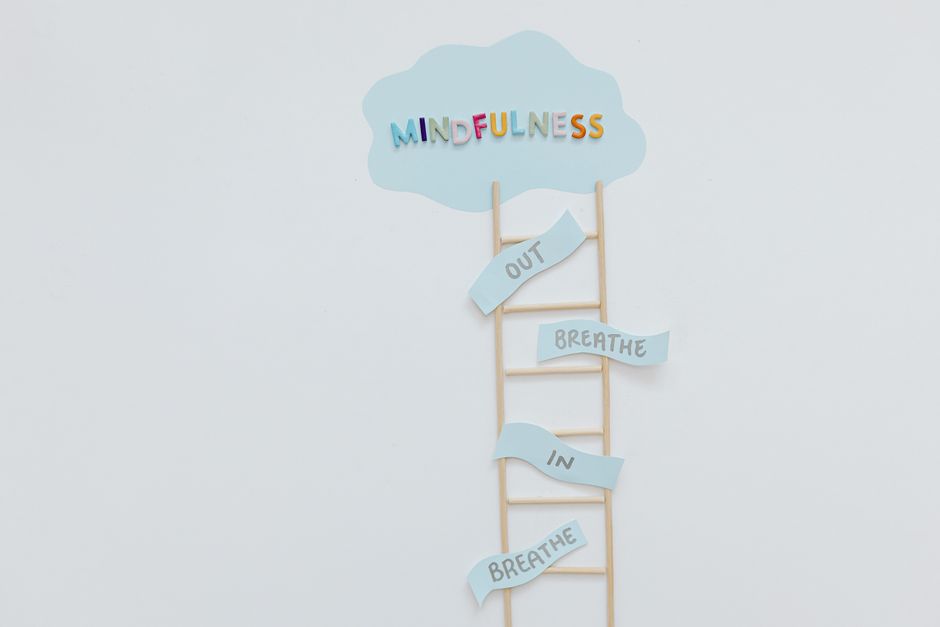
When anxiety takes hold, the simplest action can sometimes make the biggest difference. Mindful breathing shifts your focus inward, directing your awareness to the present moment and quieting the relentless noise of racing thoughts. By consciously slowing your breath, you activate the body’s natural relaxation response, lowering heart rate and reducing tension. This technique isn’t just about breathing deeper; it’s about breathing with intention. Practicing this simple act regularly cultivates a mental sanctuary where calmness resides, ready to be summoned instantly whenever stress tries to invade your peace.
Integrating mindful breathing into your daily routine can be as easy as a few mindful moments. Here’s how you can start:
- Find a comfortable position: Sit or lie down with your back straight to maximize lung capacity.
- Focus on your breath: Notice the sensation of air entering your nostrils and filling your lungs.
- Count your breaths: Inhale deeply for a count of four, hold for four, then exhale slowly for a count of six.
- Repeat as needed: Set aside 3-5 minutes initially, gradually increasing with comfort.
| Benefit | Effect on Anxiety |
|---|---|
| Slows Heart Rate | Promotes physical calm |
| Increases Oxygen Intake | Boosts mental clarity |
| Heightens Present Awareness | Reduces ruminating thoughts |
| Activates Parasympathetic System | Balances stress hormones |

Exploring Progressive Muscle Relaxation for Tension Relief
Progressive Muscle Relaxation (PMR) offers a hands-on approach to easing anxiety by systematically tensing and releasing muscle groups. This method fosters a heightened awareness of physical sensations, allowing you to distinguish between tension and relaxation. To begin, focus on one group of muscles at a time — such as your hands, arms, or shoulders — and deliberately clench them for a few seconds before letting go. This creates a contrast that deepens your body’s natural relaxation response, helping to reduce the grip of stress and anxious thoughts.
Incorporating PMR into your routine can be both simple and effective. Consider these key benefits:
- Improved sleep quality: Relaxing muscles reduces physical restlessness.
- Lowered muscle tension: Directly confronts the somatic symptoms of anxiety.
- Enhanced mind-body connection: Builds awareness and control over stress reactions.

Incorporating Guided Imagery into Your Daily Routine
Transforming simple moments into peaceful escapes can be powerfully achieved through guided imagery. This practice invites your mind to wander into serene landscapes, helping to outsmart racing thoughts and calm anxious feelings. To weave it smoothly into your day, consider setting aside just five minutes in a quiet space: close your eyes, take deep breaths, and visualize a place where you feel safe and relaxed. Imagine every detail, from the gentle sway of trees to the soothing rhythm of ocean waves, letting your senses immerse in this tranquil world.
Consistency is key to unlocking the benefits of guided imagery. Here are some ideas to integrate it effortlessly:
- Morning Calm: Begin your day with a brief visualization to set a positive, grounded tone.
- Work Break Refresher: Escape mental clutter during short pauses by picturing a calming scene.
- Pre-Sleep Relaxation: Ease tension and invite restful sleep by drifting into your peaceful place before bed.
- Stressful Moments Rescue: Use quick imagery exercises when stress spikes to regain control and focus.

The Role of Aromatherapy in Enhancing Relaxation
Aromatherapy harnesses the power of nature’s fragrances to create an immersive environment that promotes calmness and mental clarity. Essential oils, such as lavender, chamomile, and ylang-ylang, are commonly used for their soothing properties, which can modulate the nervous system and reduce stress hormones. When inhaled or applied during a massage, these oils interact with the limbic system—the brain’s emotional center—encouraging a state of profound relaxation and emotional balance.
Integrating aromatherapy into daily routines is simple and impactful. Consider these methods to elevate your relaxation practice:
- Diffusing essential oils: Use a diffuser to gently disperse aromatic molecules throughout your space.
- Topical application: Blend oils with carrier oils and apply to pulse points for a calming effect.
- Inhalation techniques: Take deep breaths from a cloth infused with your favorite scent.
| Essential Oil | Primary Benefit | Best Use |
|---|---|---|
| Lavender | Reduces anxiety | Diffusion, massage |
| Chamomile | Promotes sleep | Inhalation, topical |
| Ylang-Ylang | Lifts mood | Diffusion, bath oil |
Creating a Personalized Relaxation Plan That Works for You
Everyone’s journey to relaxation is deeply personal, so tailoring your techniques to fit your lifestyle and preferences is essential. Start by identifying what triggers your anxiety and which moments in your day leave you feeling overwhelmed. Then, experiment with a variety of methods—such as deep breathing, progressive muscle relaxation, or mindfulness meditation—to see which resonate with you most. Consider keeping a relaxation journal to note the effects of each technique, helping you fine-tune a routine that feels both effective and enjoyable.
To guide your personalization process, here’s a simple breakdown of popular techniques and their best applications:
| Technique | Best For | Time Needed |
|---|---|---|
| Deep Breathing | Quick calm-down | 3-5 minutes |
| Progressive Muscle Relaxation | Releasing tension | 10-15 minutes |
| Mindfulness Meditation | Ongoing anxiety management | 10-20 minutes |
| Guided Imagery | Escaping stress | 5-10 minutes |
- Flexibility: Adapt methods to your schedule and mood, mixing longer sessions with brief pause moments.
- Consistency: Commit to regular practice, even on calm days, to build resilience over time.
- Self-Compassion: Allow yourself to explore without judgment—what works may evolve as you do.
Q&A
Q&A:
Q1: What are relaxation techniques and why are they important for managing anxiety?
A: Relaxation techniques are methods or practices designed to reduce stress and promote a calm state of mind and body. They are important for managing anxiety because they can help lower heart rate, decrease muscle tension, and interrupt racing thoughts, making it easier to regain control and feel more centered.
Q2: Can practicing relaxation techniques actually reduce anxiety symptoms?
A: Absolutely. Regular use of relaxation techniques can decrease the frequency and intensity of anxiety attacks by calming the nervous system. Over time, they can rewire the brain’s reaction to stress, making anxious feelings less overwhelming.
Q3: What are some of the most effective relaxation techniques for anxiety?
A: Some popular and effective techniques include deep breathing exercises, progressive muscle relaxation, mindfulness meditation, guided imagery, and yoga. Each works differently, but all aim to create a sense of calm and reduce tension.
Q4: How do deep breathing exercises help in relaxation?
A: Deep breathing encourages the body to shift from the ‘fight or flight’ mode dominated by rapid, shallow breaths to a parasympathetic ‘rest and digest’ state. This reduces physical symptoms of anxiety like rapid heartbeat and encourages mental clarity.
Q5: What is progressive muscle relaxation and how can beginners start?
A: Progressive muscle relaxation involves tensing and then slowly releasing different muscle groups throughout the body. Beginners can start by focusing on one group at a time, noticing the difference between tension and relaxation to help recognize and release stress stored in the body.
Q6: How does mindfulness meditation help manage anxious thoughts?
A: Mindfulness meditation trains the mind to focus on the present moment without judgment. This awareness can help reduce rumination and catastrophic thinking by encouraging acceptance rather than avoidance of anxious feelings.
Q7: Are there any quick relaxation techniques suitable for workplace anxiety?
A: Yes! Techniques like box breathing (inhale-hold-exhale-hold for equal counts), grounding exercises (noticing surroundings in detail), or brief guided visualizations can be done discreetly at work to create a calm mental break.
Q8: How often should one practice relaxation techniques to see benefits?
A: Consistency is key. Practicing relaxation exercises daily, even for just 5–10 minutes, can significantly improve anxiety symptoms. The more regularly you engage, the more effective they become at calming the mind.
Q9: Can relaxation techniques be combined with other anxiety treatments?
A: Definitely. Relaxation techniques complement therapies like cognitive behavioral therapy (CBT), medication, and lifestyle changes. They form a holistic approach helping control anxiety on multiple levels.
Q10: Where can someone find resources to learn these relaxation techniques?
A: There are many books, apps, online videos, and classes dedicated to relaxation methods. Trusted mindfulness apps, yoga studios, and guided meditation websites offer accessible options that fit various lifestyles and preferences.
This Q&A offers a clear, approachable guide to the best relaxation techniques for managing anxiety, perfect for readers seeking effective and practical ways to find calm.
To Conclude
As we navigate the complexities of modern life, finding moments of calm becomes essential rather than optional. The relaxation techniques explored here offer a diverse toolkit—each with the potential to gently ease the weight of anxiety and restore a sense of balance. Whether through mindful breathing, progressive muscle relaxation, or a quiet connection with nature, the path to tranquility is as personal as it is powerful. Embracing these practices not only helps to manage anxiety but also invites a deeper awareness of the present moment, encouraging us all to find peace amidst the storm.