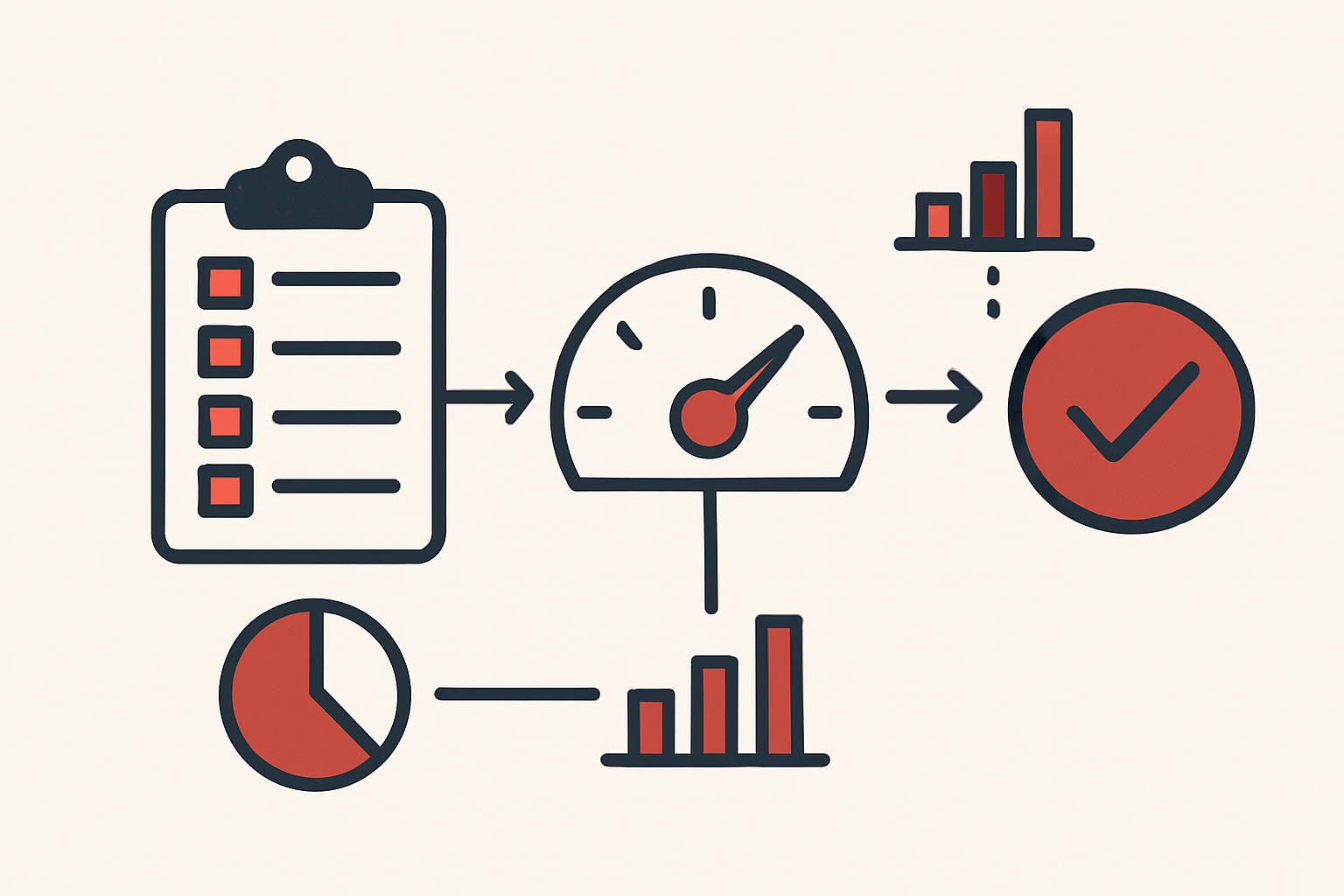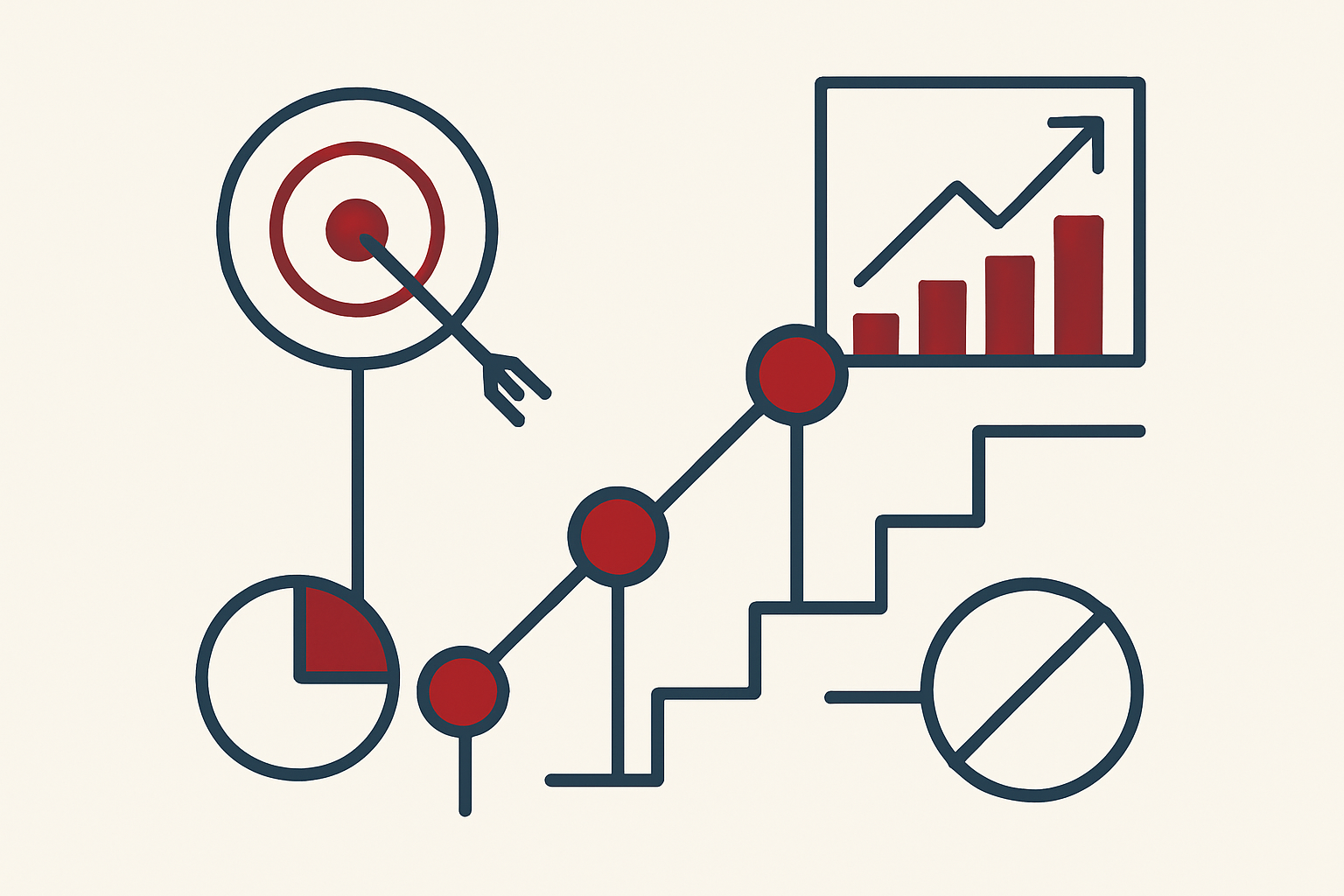
Combining individual therapy with structured addiction treatment gives people recovering from adderall dependence a stronger foundation for lasting change. One-on-one therapy addresses the personal triggers, thought patterns, and recovery">emotional struggles that drive stimulant misuse.
Without this layer of support, many people complete detox but return to old behaviors. Individual therapy fills that gap by targeting the root causes of addiction, not just the symptoms.
Key Takeaways
- Individual therapy improves long-term recovery outcomes when combined with medical detox and group support programs.
- Cognitive behavioral therapy (CBT) is the most evidence-based individual therapy for stimulant use disorders, according to the National Institute on Drug Abuse.
- According to SAMHSA, roughly 1.5 million people misuse prescription stimulants annually in the United States.
- Therapy helps patients identify relapse triggers and develop personalized coping strategies.
- Combining therapy formats, such as individual and group sessions, produces better retention in treatment programs.
What It Means to Combine Individual Therapy in Addiction Treatment
Combining individual therapy means integrating private, one-on-one counseling sessions into a broader addiction treatment plan. This plan may also include group therapy, medication management, and peer support. Each element serves a distinct purpose, but individual therapy provides the most personalized insight.
In Adderall recovery, this personalized approach is especially valuable. Students and professionals who misuse stimulants often have unique pressures, such as academic performance anxiety or workplace stress, that general group programs may not fully address.
How Individual Therapy Fits Into a Full Treatment Plan
A complete treatment plan for Adderall dependence typically includes medical detox, behavioral therapy, and aftercare planning. Individual therapy sits at the center of the behavioral component. A licensed therapist works with the patient to map out personal risk factors and build targeted coping tools.
Sessions are usually scheduled weekly or biweekly, depending on the stage of recovery. Early recovery often requires more frequent contact. As stability increases, sessions may become less frequent while still maintaining consistent support.
Types of Individual Therapy Used in Stimulant Recovery
Several therapy models work well for Adderall addiction. Choosing the right approach depends on the patient's specific history, mental health status, and recovery goals. A qualified therapist will often tailor methods from more than one model.
Cognitive Behavioral Therapy for Adderall Addiction
CBT is the most widely studied individual therapy for stimulant use disorders. It teaches patients to recognize distorted thinking, such as believing they cannot function without Adderall, and replace those thoughts with healthier patterns. Research consistently shows CBT reduces relapse rates in stimulant users.
CBT also builds practical skills for managing cravings and high-risk situations. Patients practice these skills between sessions, which reinforces learning and builds confidence over time.
Motivational Interviewing
Motivational interviewing (MI) is a counseling style that helps people resolve their ambivalence about quitting. Many Adderall users genuinely believe the drug improves their performance. MI helps them examine that belief and find their own internal reasons to pursue recovery.
This approach is particularly effective in early treatment, when motivation is inconsistent. A therapist using MI guides the conversation without being confrontational, which increases patient engagement and reduces dropout rates.
Dialectical Behavior Therapy
Dialectical behavior therapy (DBT) is useful when addiction overlaps with emotional dysregulation, impulsivity, or trauma. DBT teaches four core skills: mindfulness, distress tolerance, emotional regulation, and interpersonal effectiveness. These skills directly address the emotional patterns that often fuel stimulant misuse.
Adderall is frequently misused by people who struggle with focus and emotional control, sometimes due to undiagnosed ADHD or anxiety. DBT offers practical tools that support both mental health and sobriety goals simultaneously.
Benefits of Combining Individual and Group Therapy
Neither individual nor group therapy works best in isolation. Individual therapy offers privacy and depth. Group therapy offers community and shared experience. Together, they create a more complete recovery environment that addresses both personal and social dimensions of addiction.
Research from the Journal of Substance Abuse Treatment shows that patients who participate in both formats have higher completion rates and lower relapse rates than those who attend only one. This combination is considered a best-practice standard in most treatment guidelines.
Why Individual Therapy Addresses What Group Sessions Cannot
Group therapy builds connection and reduces shame, but it cannot always reach deeply personal issues. A person may not feel comfortable discussing family trauma, self-worth struggles, or private fears in a group setting. Individual therapy creates the confidential space needed for that work.
For Adderall users who misuse the drug to manage perfectionism or fear of failure, individual therapy is often where the most important breakthroughs happen. These conversations directly shape the patient's long-term recovery identity.
Frequently Asked Questions
How often should I attend individual therapy during Adderall recovery?
Most treatment programs recommend weekly individual sessions during early recovery. As symptoms stabilize, biweekly or monthly sessions may be appropriate. Your therapist will adjust the frequency based on your progress, stress levels, and any co-occurring mental health conditions that need ongoing attention.
Can individual therapy replace medication in Adderall recovery?
Individual therapy is not a substitute for medical supervision during Adderall withdrawal. Some patients require medical support to manage symptoms safely. However, therapy is a critical long-term tool that addresses the behavioral and emotional drivers of addiction, which medication alone cannot resolve.
Is individual therapy covered by insurance for addiction treatment?
Many insurance plans cover individual therapy for substance use disorders under mental health benefits. The Mental Health Parity and Addiction Equity Act requires most insurers to offer comparable coverage for addiction treatment. Contact your provider directly to confirm your specific benefits and any copay requirements.
What should I look for in a therapist for stimulant addiction?
Look for a licensed counselor with experience in substance use disorders and stimulant-specific treatment. Credentials such as Licensed Professional Counselor (LPC), Licensed Clinical Social Worker (LCSW), or Certified Addiction Counselor (CAC) indicate relevant training. Ask about their approach before committing to regular sessions.
Bottom Line
Combining individual therapy with a broader Adderall recovery plan gives patients the personalized tools they need to address root causes, build lasting coping skills, and reduce relapse risk. For people navigating stimulant dependence, this integrated approach consistently produces better outcomes than any single treatment method alone.
If you or someone you know is working through Adderall addiction, adderalladdictionsupport.com offers clear, practical guidance on therapy options, withdrawal support, and recovery strategies.
References
- National Institute on Drug Abuse. (2020). Stimulant use disorder treatment. https://www.drugabuse.gov
- Substance Abuse and Mental Health Services Administration. (2022). Key substance use and mental health indicators in the United States: Results from the 2021 National Survey on Drug Use and Health. https://www.samhsa.gov
- Carroll, K. M., & Onken, L. S. (2005). Behavioral therapies for drug abuse. American Journal of Psychiatry, 162(8), 1452–1460.
- Linehan, M. M. (1993). Cognitive-behavioral treatment of borderline personality disorder. Guilford Press.
- Miller, W. R., & Rollnick, S. (2013). Motivational interviewing: Helping people change (3rd ed.). Guilford Press.