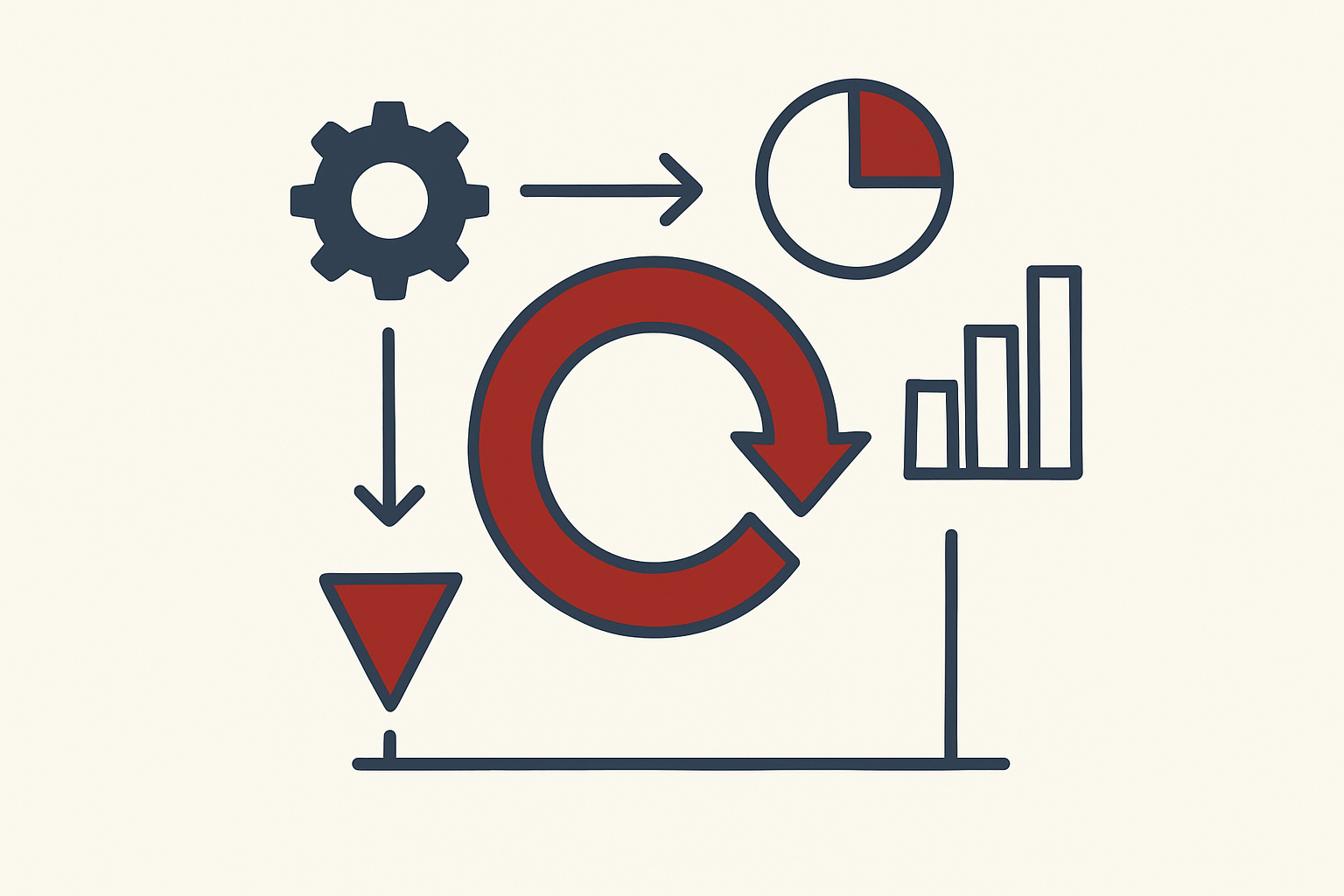
The cycle of dependence describes a predictable pattern where individuals repeatedly use substances despite harmful consequences, creating an endless loop of craving, use, temporary relief, and eventual return to problematic behaviors. This cycle affects millions of people struggling with substance dependence, including those dependent on stimulant medications like Adderall.
Understanding this cycle helps individuals and families recognize warning signs early and seek appropriate treatment. Breaking free from dependence requires professional support, evidence-based interventions, and comprehensive recovery strategies that address both physical and psychological aspects of addiction.
Recovery becomes possible when people understand the underlying mechanisms driving their dependence and develop healthy coping strategies to replace destructive patterns.
Key Takeaways
- The cycle of dependence involves four distinct phases: trigger, craving, use, and temporary relief before the pattern repeats
- According to SAMHSA, approximately 21.4 million Americans needed substance use treatment in 2021, highlighting the widespread nature of dependency cycles
- Breaking the cycle requires professional intervention, behavioral therapy, and long-term support systems
- Early recognition of cycle patterns increases treatment success rates by up to 40%
- Recovery involves developing new neural pathways that override established addiction patterns
Understanding the Four Phases of Dependence
The cycle of dependence operates through four interconnected phases that reinforce addictive behaviors. Each phase builds upon the previous one, creating a self-perpetuating loop that becomes increasingly difficult to break without intervention.
Phase 1: Trigger Events
Triggers initiate the dependence cycle through external or internal stimuli that activate cravings. External triggers include specific people, places, or situations associated with substance use, while internal triggers involve emotions like stress, anxiety, or depression.
Common triggers for stimulant dependence include academic pressure, work deadlines, social situations, or emotional distress. Recognizing personal triggers represents a crucial first step in breaking the cycle.
Phase 2: Craving and Preoccupation
Following trigger exposure, individuals experience intense cravings accompanied by preoccupation with obtaining and using substances. Brain chemistry changes during this phase, with dopamine pathways becoming hyperactive while impulse control mechanisms weaken significantly.
Physical symptoms may include restlessness, difficulty concentrating, and increased anxiety. Mental preoccupation often dominates thoughts, making it challenging to focus on other activities or responsibilities.
Phase 3: Substance Use
The use phase provides temporary relief from cravings and underlying emotional distress. However, tolerance development means individuals require increasing amounts to achieve the same effects, accelerating the progression toward severe dependence.
During this phase, judgment becomes impaired and consequences are minimized or ignored entirely. Short-term relief reinforces the behavior, strengthening neural pathways associated with substance-seeking behaviors.
Phase 4: Negative Consequences and Guilt
Following substance use, individuals typically experience negative physical, emotional, and social consequences. These may include fatigue, depression, relationship problems, work difficulties, or health issues that create additional stress and emotional pain.
Guilt, shame, and regret often emerge during this phase, paradoxically serving as new triggers that restart the entire cycle. Without intervention, this phase leads directly back to phase one.
Neurobiological Factors Driving the Cycle
Brain chemistry changes fundamentally during the development of dependence, creating biological drivers that maintain the cycle. The reward system, centered in the brain's limbic region, becomes dysregulated through repeated substance exposure.
Dopamine System Disruption
Stimulant medications flood the brain with dopamine, a neurotransmitter associated with pleasure and motivation. Over time, natural dopamine production decreases while tolerance to artificial stimulation increases, creating a chemical imbalance.
This disruption means everyday activities no longer provide normal satisfaction, while cravings for stimulants become more intense. The brain essentially rewires itself to prioritize substance-seeking behaviors over natural rewards.
Stress Response Changes
Chronic substance use alters the hypothalamic-pituitary-adrenal axis, the body's primary stress response system. This creates heightened sensitivity to stress while reducing natural coping abilities, making individuals more vulnerable to triggers.
Elevated cortisol levels become chronic, contributing to anxiety, sleep problems, and emotional instability that further perpetuate the dependence cycle.
Breaking the Cycle: Evidence-Based Approaches
Successfully breaking the cycle of dependence requires comprehensive treatment approaches that address biological, psychological, and social factors contributing to addictive behaviors.
Medical Detoxification
Professional medical supervision during withdrawal helps manage physical symptoms safely while preventing dangerous complications. Gradual tapering under medical guidance reduces withdrawal severity compared to abrupt cessation.
Medications may be prescribed to manage specific withdrawal symptoms, reduce cravings, and stabilize brain chemistry during early recovery phases.
Cognitive Behavioral Therapy
CBT helps individuals identify and modify thought patterns that contribute to substance use. This therapy teaches practical skills for managing triggers, developing healthy coping strategies, and preventing relapse.
Research demonstrates that CBT significantly improves long-term recovery outcomes by helping people develop alternative responses to triggering situations and emotional distress.
Support Systems and Lifestyle Changes
Building strong support networks through family involvement, peer support groups, and professional counseling creates accountability and encouragement throughout recovery. Lifestyle modifications including regular exercise, proper nutrition, and stress management techniques support brain healing.
Developing new routines and interests helps fill the void left by substance use while creating positive reinforcement patterns that compete with addiction pathways.
Frequently Asked Questions
How long does it take to break the cycle of dependence?
Breaking the cycle varies by individual, substance type, and duration of use. Initial withdrawal typically lasts 1-2 weeks, but psychological healing and establishing new patterns often requires 6-12 months of consistent effort and professional support.
Can someone break the cycle without professional help?
While some individuals achieve recovery independently, professional treatment significantly increases success rates and reduces relapse risk. Medical supervision during withdrawal prevents dangerous complications, while therapy provides essential coping skills and relapse prevention strategies.
What happens to the brain during cycle recovery?
Brain healing involves neuroplasticity, the brain's ability to form new neural connections. Dopamine receptors gradually return to normal sensitivity, stress response systems rebalance, and healthy reward pathways strengthen over time with sustained abstinence.
How can family members help break the dependence cycle?
Family support involves learning about addiction, avoiding enabling behaviors, setting healthy boundaries, and participating in family therapy. Emotional support, accountability, and creating a drug-free environment significantly improve recovery outcomes for their loved ones.
Bottom Line
The cycle of dependence creates self-perpetuating patterns of craving, use, and negative consequences that become increasingly difficult to break without professional intervention. Understanding these patterns empowers individuals to recognize warning signs and seek appropriate treatment before dependence becomes severe.
If you or someone you know is struggling with stimulant dependence, adderalladdictionsupport.com provides comprehensive resources, treatment information, and practical guidance to help navigate the recovery journey and build a healthier, substance-free life.
References
- Substance Abuse and Mental Health Services Administration. (2022). Key substance use and mental health indicators in the United States: Results from the 2021 National Survey on Drug Use and Health.
- National Institute on Drug Abuse. (2020). Treatment and recovery. NIDA Publications.
- Koob, G. F., & Volkow, N. D. (2016). Neurobiology of addiction: A neurocircuitry analysis. The Lancet Psychiatry, 3(8), 760-773.
- McHugh, R. K., Hearon, B. A., & Otto, M. W. (2010). Cognitive behavioral therapy for substance use disorders. Psychiatric Clinics, 33(3), 511-525.