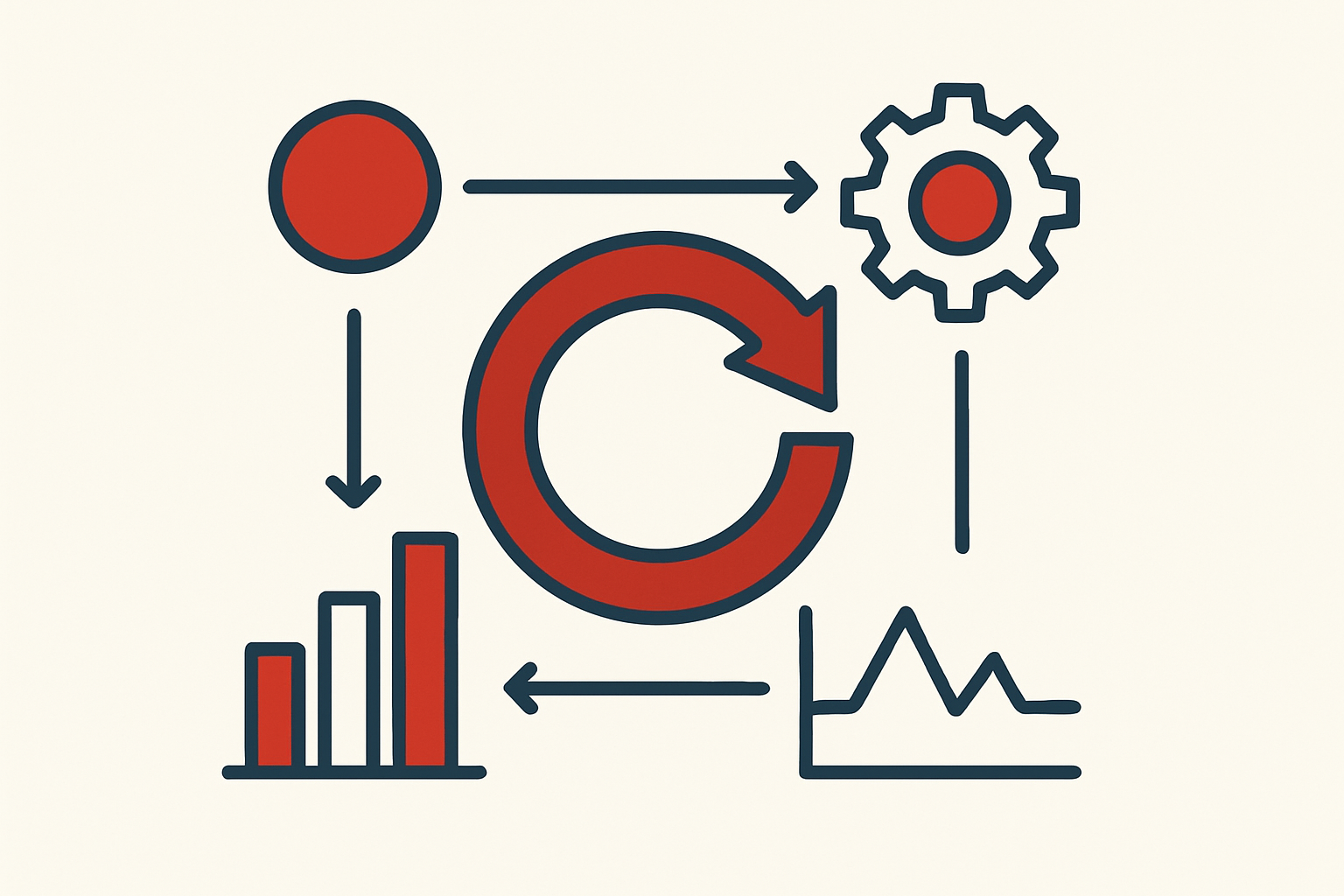
Evidence-based strategies are the most reliable tools for overcoming Adderall addiction and stimulant dependence. These approaches are tested in clinical research and consistently shown to reduce misuse, manage withdrawal, and support long-term recovery.
Adderall misuse has grown significantly, especially among students and young adults. Understanding which recovery methods are backed by science helps individuals and families make informed, confident decisions about treatment.
Key Takeaways
- Evidence-based strategies combine behavioral therapy, structured detox, and relapse prevention planning for the best outcomes.
- According to the National Institute on Drug Abuse (NIDA), stimulant misuse affects approximately 5 million Americans annually, highlighting the urgent need for proven interventions.
- Cognitive Behavioral Therapy (CBT) is one of the most researched and effective treatments for stimulant use disorders.
- The Substance Abuse and Mental Health Services Administration (SAMHSA) reports that integrated treatment approaches improve recovery rates significantly compared to single-method interventions.
- Early intervention using evidence-based strategies reduces the risk of severe dependence and long-term health complications.
What Are Evidence-Based Strategies in Addiction Treatment?
Evidence-based strategies are treatment methods validated through rigorous scientific research and clinical trials. They are standardized, measurable, and consistently produce positive outcomes across diverse patient populations.
These strategies differ from general advice or anecdotal recommendations. They follow protocols developed by addiction specialists, reviewed by medical boards, and updated as new research emerges.
Why Evidence-Based Care Matters for Stimulant Addiction
Stimulant addiction, including Adderall dependence, involves specific neurological changes that require targeted treatment. General wellness approaches often fall short without clinical structure and professional guidance.
Evidence-based care addresses the root causes of dependence, not just surface symptoms. It improves treatment retention, lowers relapse rates, and gives patients practical tools to manage cravings and triggers effectively.
Cognitive Behavioral Therapy for Adderall Dependence
Cognitive Behavioral Therapy, commonly called CBT, is one of the most effective evidence-based strategies for treating stimulant use disorders. It helps patients identify distorted thinking patterns that fuel drug-seeking behavior.
CBT sessions teach individuals to recognize high-risk situations, challenge unhelpful beliefs, and develop healthier coping responses. Research consistently shows CBT reduces relapse rates and improves emotional regulation during recovery.
How CBT Sessions Are Structured
CBT is typically delivered in weekly individual or group sessions over 12 to 16 weeks. Each session targets specific cognitive distortions, behavioral triggers, or skill deficits relevant to the patient's experience.
Therapists use structured exercises, journaling, and role-play to reinforce new thinking patterns. Patients gradually build a personal toolkit for managing stress, social pressure, and cravings without returning to stimulant use.
Motivational Interviewing as a Recovery Tool
Motivational Interviewing, known as MI, is a collaborative, goal-oriented counseling method. It helps individuals explore their own reasons for change rather than responding to external pressure or judgment.
MI is especially useful in the early stages of Adderall recovery when ambivalence about quitting is strongest. Trained counselors guide patients toward self-motivated commitment, which research shows produces more durable behavioral change.
Structured Detox and Medical Supervision
Medically supervised detox is a critical evidence-based step for individuals with significant Adderall dependence. Abrupt cessation can cause intense withdrawal symptoms including fatigue, depression, and cognitive difficulties.
A structured detox plan involves gradual tapering of stimulant doses under physician oversight. This approach minimizes withdrawal severity, reduces the risk of relapse during the vulnerable early days, and prepares the patient for ongoing therapy.
What to Expect During Adderall Detox
Adderall withdrawal typically begins within 24 to 72 hours after the last dose. Symptoms often include extreme tiredness, increased appetite, low mood, and difficulty concentrating.
Medical supervision ensures these symptoms are monitored and managed safely. In some cases, supportive medications or nutritional interventions are used to stabilize the patient and maintain engagement in the treatment process.
Contingency Management in Stimulant Recovery
Contingency Management, or CM, uses structured reward systems to reinforce drug-free behavior. Patients earn incentives such as vouchers or privileges when they submit negative drug tests or meet specific recovery milestones.
NIDA identifies CM as one of the most effective behavioral interventions for stimulant use disorders. It works by directly reinforcing abstinence through positive reinforcement, creating a measurable incentive to stay on track.
Relapse Prevention Planning
Relapse prevention is a structured, skills-based strategy that teaches individuals to anticipate and manage high-risk scenarios. It is considered a core component of any comprehensive addiction recovery program.
Patients learn to identify personal warning signs, build social support networks, and create action plans for moments of intense craving. This proactive approach significantly reduces the likelihood of returning to Adderall use after initial recovery.
Building a Strong Support Network
Social support is one of the strongest predictors of long-term recovery success. Research shows that individuals with engaged family members and peer support groups sustain abstinence at much higher rates than those without.
Support groups, recovery coaches, and trusted family members all contribute to a protective social environment. These connections provide accountability, encouragement, and practical help during the most challenging stages of recovery.
Frequently Asked Questions
Are medications used in evidence-based Adderall addiction treatment?
Currently, no FDA-approved medications specifically target Adderall addiction. However, physicians may prescribe medications to manage withdrawal symptoms such as depression, sleep disturbances, or anxiety. These are used alongside therapies-stimulant-addiction">behavioral therapies rather than as standalone treatments. Always consult a qualified healthcare provider for personalized medical guidance.
How long does evidence-based treatment for Adderall addiction typically last?
Treatment duration varies depending on severity of dependence, co-occurring mental health conditions, and individual progress. Most structured programs last between 90 days and one year. Research consistently shows longer treatment engagement produces better long-term outcomes, so completing the full recommended program matters significantly.
Can evidence-based strategies work without inpatient treatment?
Yes, many evidence-based strategies are delivered effectively in outpatient settings. Individuals with moderate dependence often succeed through outpatient CBT, motivational interviewing, and structured relapse prevention programs. However, severe dependence or co-occurring disorders may require a higher level of care, including residential or intensive outpatient treatment.
Is Adderall addiction different from other substance use disorders?
Adderall addiction shares core features with other stimulant use disorders but has some distinct characteristics. Academic or performance pressure often drives initial misuse. Withdrawal involves emotional and cognitive symptoms more than physical ones. Evidence-based strategies remain highly effective when tailored to these specific patterns and triggers.
Bottom Line
Evidence-based strategies including CBT, motivational interviewing, structured detox, and relapse prevention planning form the most reliable foundation for overcoming Adderall addiction and rebuilding a healthy life.
For practical guidance, treatment information, and recovery support, adderalladdictionsupport.com offers clear, research-informed resources designed for individuals, students, and families navigating stimulant dependence.
References
- National Institute on Drug Abuse. (2023). Prescription stimulants drug facts. U.S. Department of Health and Human Services. https://nida.nih.gov/publications/drugfacts/prescription-stimulants
- Substance Abuse and Mental Health Services Administration. (2022). Key substance use and mental health indicators in the United States: Results from the 2021 National Survey on Drug Use and Health. https://www.samhsa.gov/data/report/2021-nsduh-annual-national-report
- Carroll, K. M., & Onken, L. S. (2005). Behavioral therapies for drug abuse. American Journal of Psychiatry, 162(8), 1452-1460.
- Petry, N. M., Alessi, S. M., Marx, J., Austin, M., & Tardif, M. (2005). Vouchers versus prizes: Contingency management treatment of substance abusers in community settings. Journal of Consulting and Clinical Psychology, 73(6), 1005-1014.
- Miller, W. R., & Rollnick, S. (2013). Motivational interviewing: Helping people change (3rd ed.). Guilford Press.