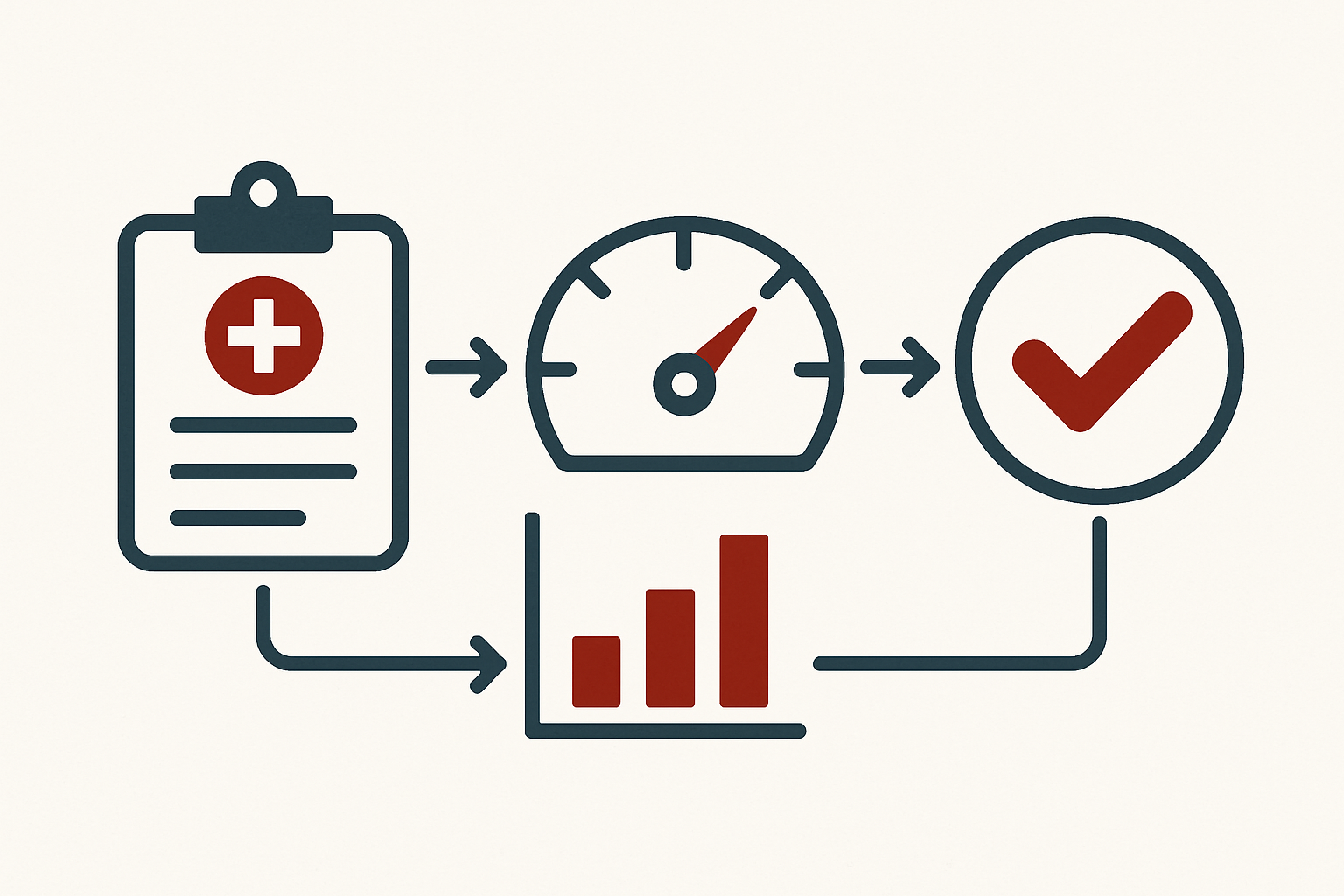
Family-focused partial care is a structured, outpatient-level treatment program that actively involves loved ones in the recovery process. For people recovering from Adderall or stimulant dependence, this model offers clinical support without requiring a full residential stay.
Partial care programs typically run several hours per day, several days per week. This schedule allows individuals to maintain work, school, or family responsibilities while receiving meaningful, evidence-based treatment.
Key Takeaways
- Family-focused partial care combines individual therapy, group sessions, and family counseling in one integrated program.
- According to SAMHSA, family involvement in substance use treatment significantly improves long-term recovery outcomes.
- Partial hospitalization programs (PHPs) average 20 hours of structured weekly treatment, bridging inpatient and outpatient care.
- Programs target stimulant misuse patterns, behavioral triggers, and family communication breakdowns simultaneously.
- Early family engagement reduces relapse risk and strengthens the home recovery environment.
What Is Family-Focused Partial Care?
Family-focused partial care is a step-down or step-up level of addiction treatment. It sits between inpatient hospitalization and standard outpatient therapy, offering more structure than a weekly therapy appointment but more flexibility than a residential program.
The defining feature is intentional family integration. Loved ones participate in scheduled sessions, not just as observers but as active members of the treatment process. This approach addresses the relational damage that stimulant misuse often causes.
How It Differs from Standard Partial Hospitalization
Standard partial hospitalization focuses primarily on the individual. Family-focused programs extend that clinical attention to the household unit. Therapists assess family dynamics, communication patterns, and codependent behaviors that can fuel continued stimulant use.
Sessions may include conjoint therapy, psychoeducation for family members, and structured conflict resolution exercises. These additions make the program more comprehensive for long-term recovery support.
Why Family Involvement Matters in Stimulant Recovery
Adderall dependence rarely exists in isolation. Family members often unknowingly enable misuse by minimizing symptoms, making excuses, or managing consequences on behalf of the person struggling. This dynamic must be addressed directly in treatment.
Research consistently shows that family support is a strong predictor of sustained recovery. When loved ones understand stimulant withdrawal, behavioral patterns, and recovery timelines, they become effective allies rather than accidental obstacles.
The Role of Family Therapy in Partial Care
Family therapy within partial care programs typically follows structured models such as Multidimensional Family Therapy (MDFT) or Behavioral Family Therapy. These approaches identify specific behaviors within the family system that reinforce drug-seeking patterns.
Therapists work with families to set healthy boundaries, improve emotional communication, and build routines that support sobriety. Sessions are goal-oriented and tied to measurable progress, not open-ended conversations without direction.
Core Components of a Family-Focused Partial Care Program
Most programs include a combination of individual counseling, group therapy, medication management, and structured family sessions. The exact schedule varies by provider, but the framework remains consistent across evidence-based programs.
- Individual therapy: Addresses personal trauma, triggers, and cognitive distortions linked to stimulant use.
- Group therapy: Builds peer accountability and reduces isolation through shared experiences.
- Family sessions: Target relationship repair, boundary-setting, and communication skills.
- Psychoeducation: Teaches both patients and families about stimulant dependence, withdrawal, and recovery.
- Relapse prevention planning: Creates a personalized safety plan involving the entire family unit.
Who Benefits Most from This Treatment Model
Family-focused partial care works best for individuals with strong family ties who are motivated to rebuild those relationships. It is especially effective for young adults, college students, and adolescents whose home environment plays a significant role in their recovery trajectory.
It also benefits families who feel lost, frustrated, or burned out by a loved one's stimulant misuse. Structured involvement gives them a clear role and practical tools to help without enabling harmful behavior.
Is This the Right Level of Care for Stimulant Dependence?
Not every person needs partial care. Someone with severe stimulant dependence, co-occurring mental health disorders, or an unsafe home environment may need inpatient stabilization first. A clinical assessment determines the appropriate level of care.
For those who have completed detox or inpatient treatment, family-focused partial care often serves as the next logical step. It reinforces the skills learned during intensive treatment within a real-world, family-connected context.
What to Expect During the Admissions Process
The admissions process typically begins with a biopsychosocial assessment. This evaluation reviews the individual's substance use history, mental health background, family situation, and daily functioning. It determines whether partial care is clinically appropriate.
Family members are usually invited to participate in part of the intake process. This early involvement sets the tone for the collaborative approach used throughout the program.
Frequently Asked Questions
How many days per week does family-focused partial care run?
Most programs run three to five days per week, with sessions lasting four to six hours per day. The exact schedule depends on the provider and the individual's clinical needs. Some programs offer evening or weekend options to accommodate work or school commitments.
Can family members attend every session?
No. Family members attend designated family therapy and psychoeducation sessions, not every individual or group therapy appointment. This structure protects patient privacy while still giving families a meaningful and consistent role in treatment.
Does insurance typically cover partial care programs?
Many insurance plans cover partial care under behavioral health benefits, especially when medical necessity is documented. Coverage varies by plan, so it is important to verify benefits before enrolling. A treatment coordinator can assist with insurance verification and pre-authorization.
How long does a family-focused partial care program last?
Program length typically ranges from two to eight weeks, depending on clinical progress and individual goals. Some participants transition to a lower level of care, such as intensive outpatient therapy, once they have met key treatment milestones.
Bottom Line
Family-focused partial care offers a structured, evidence-based path to stimulant recovery that treats the whole person within the context of their most important relationships.
For more guidance on Adderall dependence, treatment options, and supporting a loved one through recovery, adderalladdictionsupport.com offers clear, practical resources for individuals and families navigating this process.
References
- Substance Abuse and Mental Health Services Administration. (2020). Treatments for substance use disorders. https://www.samhsa.gov/treatments
- National Institute on Drug Abuse. (2022). Treatment approaches for drug addiction DrugFacts. https://nida.nih.gov/publications/drugfacts/treatment-approaches-drug-addiction
- Liddle, H. A. (2016). Multidimensional family therapy: Evidence base for transdiagnostic treatment outcomes, change mechanisms, and implementation in community settings. Family Process, 55(3), 558–576.
- Center for Substance Abuse Treatment. (2004). Substance abuse treatment and family therapy. Treatment Improvement Protocol (TIP) Series, No. 39. Substance Abuse and Mental Health Services Administration.