In the winding journey of recovery, the path can often feel solitary and overwhelming. Yet, amid the twists and turns, there exists a network of understanding — a beacon of hope and solidarity known as support groups. These communities, formed by individuals bound by shared experiences, offer more than just empathy; they provide a structured foundation for long-term healing and resilience. This article explores the pivotal role support groups play in sustaining recovery over time, illuminating how collective strength transforms individual battles into shared victories.
Table of Contents
- The Power of Shared Experiences in Sustaining Recovery
- Building a Network of Accountability and Encouragement
- Navigating Emotional Challenges with Peer Support
- Tailoring Support Groups to Individual Recovery Needs
- Integrating Professional Guidance Within Group Settings
- Practical Tips for Finding and Engaging with the Right Support Group
- Q&A
- The Conclusion

The Power of Shared Experiences in Sustaining Recovery
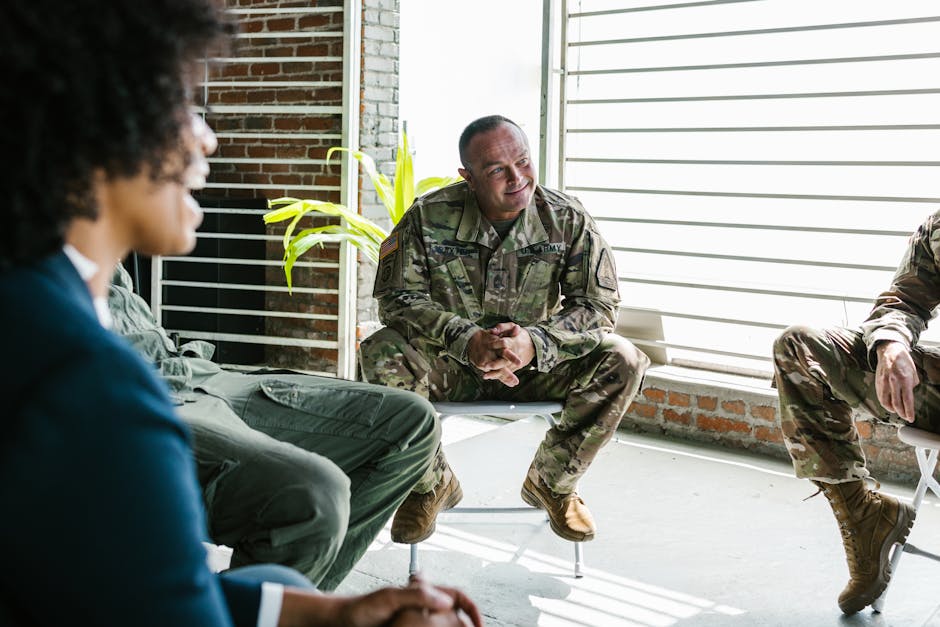
At the heart of recovery lies the profound impact of companionship and understanding, where individuals find solace in knowing they are not alone on their journey. The collective wisdom found in shared experiences fosters a unique bond that encourages resilience and hope. Within these circles, people exchange stories of triumph and struggle, creating a tapestry of empathy and encouragement that empowers each member to persevere. This mutual support acts as a catalyst for personal growth, instilling a sense of accountability and motivation that propels recovery forward.
The benefits of shared experiences often include:
- Emotional validation and reduction of isolation
- Learning practical strategies from others’ successes and setbacks
- Building lasting friendships that reinforce positive habits
- Developing a safe space to express vulnerabilities without judgment
| Support Group Element | Positive Outcome |
|---|---|
| Storytelling | Strengthens empathy and understanding |
| Regular Meetings | Establishes routine and reliability |
| Peer Accountability | Encourages commitment and progress |
| Shared Celebrations | Boosts morale and motivation |
Building a Network of Accountability and Encouragement
In the journey toward sustained recovery, forging meaningful connections with others who share similar challenges can become a cornerstone of success. These relationships foster a culture where accountability thrives, allowing individuals to openly share victories and setbacks without fear of judgment. The consistent presence of a support network provides emotional nourishment, making it easier to resist temptations and navigate difficult moments. When people hold each other accountable, it transforms recovery from a solitary struggle into a collective mission of resilience.
Beyond accountability, encouragement is the fuel that keeps motivation alive. A strong network offers validation and inspiration through shared stories, advice, and affirmations, reinforcing the idea that setbacks are temporary and progress is achievable. Consider these key elements that characterize a powerful support system:
- Trust: Creating an environment where vulnerability is welcomed.
- Consistency: Regular meetings and check-ins to maintain momentum.
- Empathy: Understanding struggles without passing judgment.
- Positive Reinforcement: Celebrating even the smallest wins.
| Support Element | Description | Impact |
|---|---|---|
| Active Listening | Truly hearing others’ experiences | Builds trust and emotional safety |
| Shared Goals | Aligning individual ambitions | Strengthens commitment to recovery |
| Encouragement | Offering positive feedback | Boosts confidence and morale |

Navigating Emotional Challenges with Peer Support
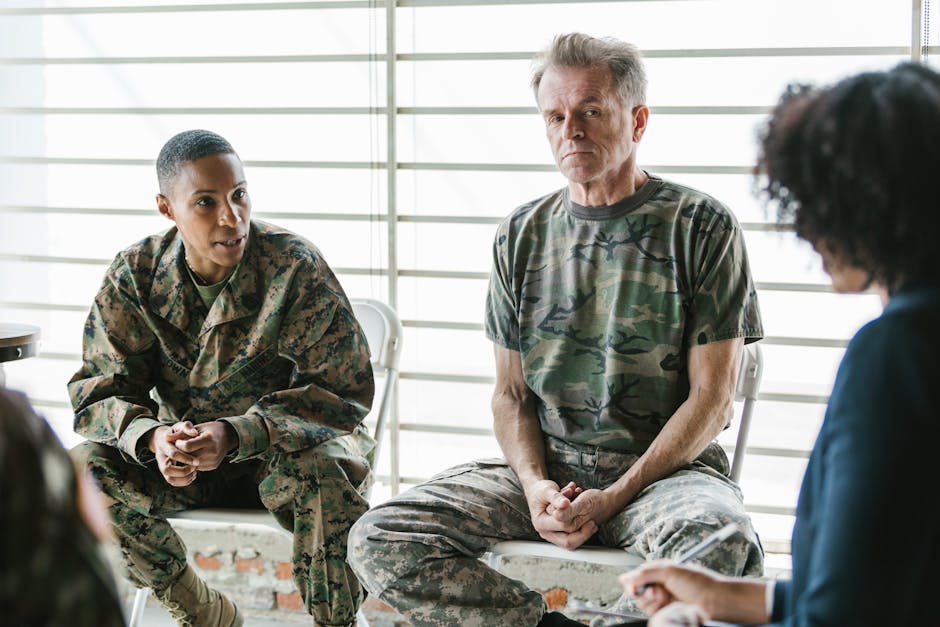
Embracing peer support during recovery provides a unique cushion for emotional ups and downs that individuals often face. Being surrounded by those who understand firsthand the rollercoaster of emotions can ease feelings of isolation and foster resilience. Peer groups create a space where vulnerability is met with compassion, helping members to share openly without judgment. This dynamic builds empathy-driven connections, encouraging participants to learn healthy coping strategies from each other, ultimately reinforcing their commitment to long-term healing.
Moreover, peer support groups offer a practical structure through shared experiences, which can be a powerful tool for emotional regulation. Members often benefit from:
- Regular check-ins that ensure accountability and emotional monitoring
- Exchange of effective self-care techniques and stress management tips
- Inspiration from success stories and overcoming setbacks
| Emotional Challenge | Peer Support Benefit |
|---|---|
| Loneliness | Shared experiences reduce feelings of isolation |
| Anxiety | Group grounding techniques provide calm |
| Self-doubt | Encouragement from peers strengthens confidence |
Such tangible support, grounded in lived experiences, can transform emotional hurdles into stepping stones—fueling sustained recovery beyond traditional treatment settings.
Tailoring Support Groups to Individual Recovery Needs
Understanding that no two recovery journeys are the same is fundamental to fostering effective support networks. Recovery support groups can be adapted to meet the unique circumstances, preferences, and challenges faced by individuals. Whether someone thrives in a structured group with a set agenda or benefits more from open-ended conversations, creating flexibility in session formats enhances engagement and success. Personalization might include options such as:
- Focus on specific issues like trauma, anxiety, or relapse prevention
- Offering both in-person and virtual meetings to accommodate different lifestyles
- Incorporating culturally sensitive approaches and language
- Allowing varying levels of interaction, from sharing to active leadership roles
By tailoring these elements, support groups become not just a resource, but a space where individuals feel truly understood and empowered in their recovery process.
| Recovery Need | Tailored Group Approach | Potential Benefits |
|---|---|---|
| Co-occurring Disorders | Integrated support addressing both addiction and mental health | Holistic healing and reduced stigma |
| Early Recovery | Frequent short sessions with motivational focus | Building resilience and coping skills |
| Long-Term Maintenance | Peer-led discussions emphasizing sustainability | Longevity and sense of purpose |
| Family Involvement | Dual sessions including family education and support | Improved communication and stronger support networks |

Integrating Professional Guidance Within Group Settings
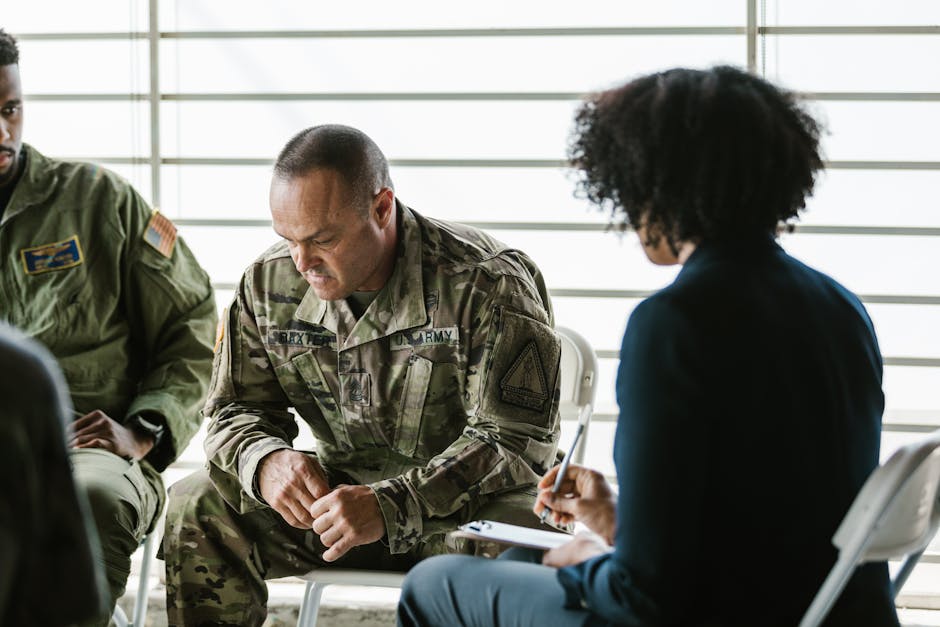
Professional involvement within group recovery settings elevates the support process, fostering a structured environment where individual progress is both guided and monitored. Skilled facilitators bring evidence-based techniques into the conversation, ensuring that shared experiences are complemented by therapeutic insights. This balanced dynamic not only empowers members to take active roles in their healing journeys but also helps maintain focus on achievable, personalized goals.
Effective integration can be seen through practices such as:
- Structured goal setting that aligns group discussions with individual recovery milestones.
- Conflict resolution strategies that cultivate a safe, non-judgmental space.
- Regular assessments to track progress and adjust approaches as needed.
- Skill-building exercises targeting coping mechanisms and relapse prevention.
| Professional Role | Contribution | Impact |
|---|---|---|
| Facilitator | Guides dialogue and ensures focus | Increased engagement and clarity |
| Therapist | Provides clinical insights and coping tools | Better relapse prevention |
| Peer Mentor | Shares lived experience and encouragement | Enhanced motivation and trust |
Practical Tips for Finding and Engaging with the Right Support Group
Start by identifying what resonates most with your personal recovery journey. Research groups that align with your values, recovery goals, and preferred methods of communication—whether that’s in-person, online, or hybrid meetings. Don’t hesitate to attend a few sessions as a visitor to get a feel for the group’s dynamics and support style. Consider factors such as meeting frequency, group size, and facilitator experience, which can all influence how comfortable and connected you’ll feel.
When you find a group that seems promising, engage actively by participating in discussions, sharing your experiences honestly, and offering support to others. Building reciprocal relationships creates a trustworthy network that sustains long-term healing. Below is a quick checklist to guide your engagement:
- Introduce yourself: Make that first step to break the ice.
- Listen attentively: Absorb others’ stories without judgment.
- Offer feedback: Share encouragement and insight respectfully.
- Attend consistently: Stability fosters deeper connection.
Q&A
Q&A:
Q1: What exactly are support groups, and why do they matter in long-term recovery?
Support groups are gatherings—often peer-led—where individuals facing similar challenges come together to share experiences, offer encouragement, and foster accountability. In long-term recovery, these groups serve as a vital lifeline by creating a sense of belonging and reducing feelings of isolation, which can be common hurdles on the path to sustained healing.
Q2: How do support groups differ from professional therapy or medical treatment?
While therapy and medical treatment typically involve licensed professionals providing clinical interventions, support groups focus on mutual aid and shared personal stories. They complement formal treatment by providing ongoing peer support, practical advice, and the opportunity to witness others’ successes and setbacks in real time.
Q3: Can support groups prevent relapse in the recovery journey?
Absolutely. By cultivating a network of understanding peers who hold each other accountable, support groups help members identify and navigate triggers. They offer strategies based on collective wisdom, making it easier to maintain healthy habits and resist relapse.
Q4: Are support groups effective for all types of recovery, such as addiction, mental health, or chronic illness?
Yes, support groups have proven beneficial across various recovery contexts—from substance use disorders and mental health conditions to managing chronic illnesses. The core principle of shared experience and collective support transcends the specific nature of the challenge.
Q5: What role does anonymity and confidentiality play in support groups?
Anonymity and confidentiality create a safe space where members feel comfortable disclosing vulnerabilities without fear of judgment or repercussion. This trust is fundamental, allowing deeper connections and honest conversations that fuel personal growth.
Q6: How can someone find the right support group for their needs?
Start by researching groups that align with your specific recovery journey. Online directories, healthcare providers, community centers, and local nonprofits often provide listings. It’s important to attend a few meetings to sense the group’s atmosphere and determine if it feels like a supportive, welcoming environment.
Q7: What common challenges do participants face in support groups, and how can they overcome them?
Some may struggle with opening up or feeling like an outsider at first. Others might encounter conflicting advice or group dynamics that don’t resonate. Overcoming these requires patience, openness, and trying different groups until finding one that fits your comfort level and goals.
Q8: Can support groups function effectively in virtual settings?
Yes, virtual support groups have surged in popularity, especially in recent years. They offer accessibility for those who face geographic, mobility, or time constraints. While the dynamic differs from face-to-face interactions, many find online groups equally empowering and supportive.
Q9: How do support groups contribute to a person’s sense of identity post-recovery?
Being part of a community that values growth and resilience helps individuals redefine their identity beyond their challenges. Support groups foster empowerment, encouraging members to see themselves not just as survivors but as active contributors to their own and others’ well-being.
Q10: What is the key takeaway about the role of support groups in long-term recovery?
Support groups are more than just meetings—they are living networks of empathy and strength. Their role in long-term recovery is to anchor individuals in a shared journey, offering continuous encouragement, practical wisdom, and the powerful reminder that no one has to walk the path to healing alone.
The Conclusion
In the intricate journey of long-term recovery, support groups stand as steadfast companions—offering more than just a listening ear. They weave networks of shared experience, resilience, and hope that transform isolation into belonging. While the path may be winding and the destination uncertain, these communities provide a steady light, reminding each individual that recovery is not walked alone. Ultimately, support groups are not just a resource; they are a vital lifeline in the ongoing story of healing and growth.